
Professional Wildlife of Roosevelt National Forest in Northern Colorado
If you’re planning a trip to Northern Colorado and hoping to spot wildlife along the way, Roosevelt National Forest is the place to go. Spanning more than 800,000 acres, it’s one of the most diverse and wildlife-rich areas in the state. From towering pines to alpine lakes, every trail offers the chance to see Colorado forest animals in their natural setting.
The Ecosystems of Roosevelt National Forest
What makes wildlife in Roosevelt National Forest so special is its variety of ecosystems. At lower elevations, you’ll walk through ponderosa pine woodlands where mule deer often appear at dawn. As you climb higher, dense spruce and fir forests give way to alpine meadows, tundra, and rocky ridges. These Colorado forest ecosystems support an incredible mix of animals, so no two hikes feel the same.
Birdwatcher’s Paradise
Roosevelt National Forest is one of the best spots for wildlife viewing in Colorado, especially if you’re into birding. More than 200 species live here. Below are key species to look for, where to find them, and how to make the most of your experience:
- Broad-tailed Hummingbird – These little gems love meadow edges and high-elevation clearings, especially near wildflowers.
- Golden Eagle – If you’re exploring cliff faces or open slopes, keep an eye out for these majestic birds. With their massive wingspans and graceful soaring, they’re a sight to behold.
- Cooper’s Hawk / Sharp-Shinned Hawk – These speedy hunters stick to dense woodlands and forest edges. Watch for their quick, darting flights through the trees and listen for their sharp, piercing calls.
- Prairie Falcon – Head to rocky outcrops or ridgelines to catch a glimpse of this sleek falcon. Their slim bodies and pointed wings make them easy to spot as they glide over open terrain.
- Calliope & Rufous Hummingbirds – These tiny, high-energy birds are a joy to watch in subalpine meadows or near creeks and lakes. Early mornings are the prime time to see the males showing off their vibrant colors while feeding on blossoms.
- Western Wood-Pewee & Least Flycatcher – Look for these insect-catching pros in mixed woodlands near water. They have a fun habit of perching still, then darting out to snag bugs before returning to their spot. Their unique calls make them easy to identify if you’re listening closely.
Reptiles, Amphibians, and Insects
Colorado forest animals aren’t just furry or feathered. Lizards sun themselves on warm rocks, garter snakes weave through tall grasses, and frogs can be heard singing around ponds. If you’re out on a sunny day, butterflies drift across wildflower fields, and dragonflies skim over alpine lakes. They’re small, but they bring the forest to life.
Aquatic Life in the Forest
The rivers and lakes here are teeming with life. Cutthroat trout, rainbow trout, and brown trout make this a popular spot for fishing. Beavers build dams that reshape entire stretches of creek, and muskrats paddle the quiet edges of ponds. Spend a little time near water and you’ll see just how busy it really is.
How to Respect Wildlife
The best way to enjoy northern Colorado wildlife is by giving it space. Pack out what you pack in, and follow Leave No Trace:
- Plan Ahead and Prepare – Know the regulations, check weather and trail conditions, and pack the right gear.
- Travel and Camp on Durable Surfaces – Stay on the marked Colorado nature trails
- Dispose of Waste Properly – Pack out all trash, leftover food, and litter.
- Leave What You Find – Don’t pick wildflowers, move rocks, or disturb historical or cultural items.
- Minimize Campfire Impact – Use a camp stove when possible, and if fires are allowed, keep them small and only in designated fire rings.
- Respect Wildlife – Keep a safe distance from the animals and never feed them.
- Be Considerate of Other Visitors – Keep noise low, yield on trails, and maintain a friendly atmosphere.
Best Trails for Wildlife Spotting
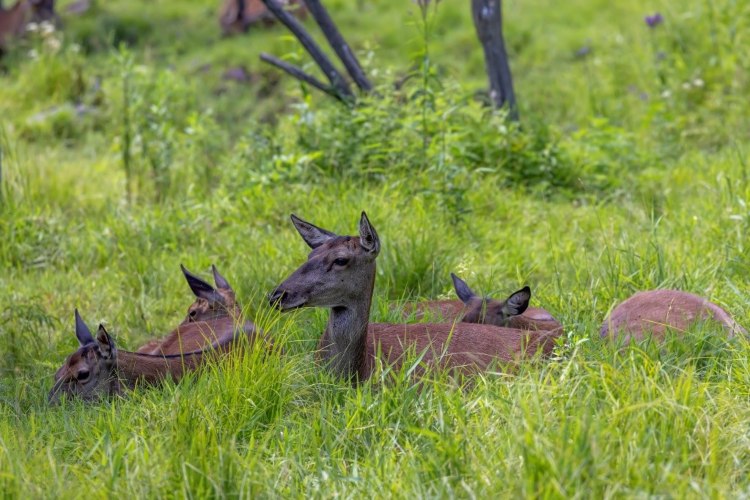
Start with Greyrock Trail. It’s famous for elk and mule deer. Poudre Canyon is a great place to spot bighorn sheep on steep cliffs. And the Brainard Lake Recreation Area is one of the best places to see moose while also catching plenty of bird activity. Each hike gives you a front-row seat to Roosevelt National Forest animals in their natural world. Lace up your boots, hit the trail, and let the forest surprise you.
Planning Your Visit
Before you go, check trail updates on the Arapaho & Roosevelt National Forests site. Early mornings and evenings are when animals are most active, so plan your hikes around those windows. Pack water, snacks, and a camera. You’ll want to remember these encounters.
Build Your New Home at Shoshana Ranch
If you’ve fallen in love with the beauty of Roosevelt National Forest and the northern Colorado wildlife that thrives here, imagine having it all right outside your door. Shoshana Ranch offers the rare opportunity to build your dream home surrounded by Colorado’s natural beauty. With wide-open spaces, easy access to Colorado nature trails, and the tranquility of forest ecosystems nearby, Shoshana Ranch is more than a place to live. It’s a lifestyle rooted in the outdoors. Schedule a tour today!