
Stargazing in Colorado: A Guide to the Night Sky
Colorado offers some of the clearest night skies in the United States. High elevations and low humidity combine to create ideal conditions for viewing the cosmos. Whether you are tracking specific constellations or attending organized stargazing events, the state provides a premier environment for astronomical observation. Shoshana Ranch explores why we offer the perfect space for stargazing. Reach out to learn more.
Why Colorado Is Ideal for Stargazing
Colorado has over 300 days of clear skies a year. This means gorgeous skies full of stars at night. The Colorado mountains are free from light pollution for a beautiful view. Altitude is the primary factor for the perfect skygazing experience. Being closer to the atmosphere reduces the amount of air light must travel through, resulting in sharper images of star patterns. Many regions in Colorado are also designated as International Dark Sky Parks, meaning light pollution is strictly controlled to preserve the natural darkness required for deep-space viewing.
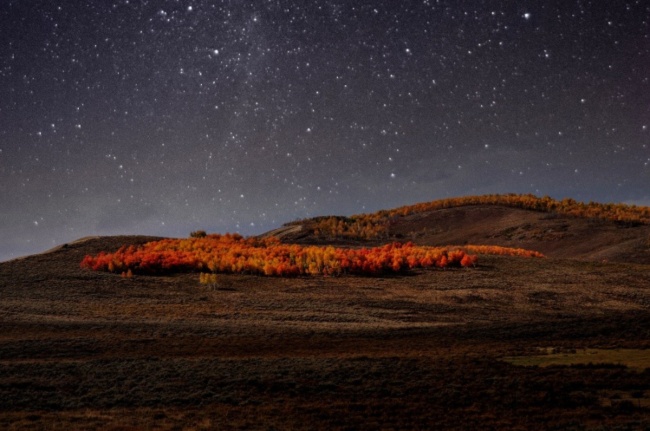
Stargazing Spots in Eastern Colorado
Colorado provides a canvas of beautiful stars at night. Some of the best stargazing spots in Eastern Colorado include:
- Pawnee National Grassland – Minimal light pollution and expansive horizons provide optimal visibility for celestial observation.
- Jackson Lake State Park – Designated as an International Dark Sky Park, offering curated programs and high-quality darkness.
- North Sterling State Park – Remote location away from Front Range urban glow ensures clear views of the Milky Way.
- Bonny Lake State Wildlife Area – Low-elevation plains offer unobstructed 360-degree views of the night sky.
- John Martin Reservoir State Park – Minimal atmospheric interference and significant distance from major light source.
Constellations to View in Colorado
The clear night skies let stargazers view many constellations throughout the year. Some of the most popular constellations to view in Colorado include:
- Ursa Major – The Great Bear, containing the Big Dipper asterism, remains visible as it circles the North Star.
- Ursa Minor – The Little Bear, housing Polaris, serves as the fixed point for celestial navigation.
- Cassiopeia – The Queen, recognizable by its distinct “W” or “M” shape directly opposite the Big Dipper.
- Cepheus – The King, appearing as a faint pentagon or house-shaped figure near Cassiopeia.
- Draco – The Dragon, a long, winding constellation that snakes between the two bears.
Stargazing at Shoshana Ranch
Shoshana Ranch in Colorado offers a private, secluded setting for viewing constellations in the sky. Removed from urban glow, the ranch provides a silent backdrop that enhances the celestial experience. The lack of noise and artificial light allows for an immersive connection with the night sky, making it a unique destination for those seeking peace alongside their astronomical pursuits. You can easily view stargazing events at any of our lots while sitting on your front porch.
Safety & Comfort Considerations
Night temperatures in the Rocky Mountains drop rapidly. Some safety and comfort considerations for stargazing in Colorado include:
- Stay Warm – Wear moisture-wicking layers and insulated outerwear.
- Use a Correct Flashlight – Ensure you have a reliable red-light flashlight to preserve your night vision while navigating.
- Inform Others – If you are venturing into remote stargazing spots, inform others of your location and carry basic emergency supplies.
Make Your Home at Shoshana Ranch
The Colorado night sky is a significant natural resource. By visiting high-altitude locations like Shoshana Ranch in Colorado, you gain a clear perspective on the universe. Plan your next trip during a new moon for the best visibility. If you’re looking for the perfect place to make a home where you can gaze at stars nightly, Shoshana Ranch is your place. Reach out to us today to experience the stars firsthand.
FAQs
What Are the Best Locations for Stargazing?
International Dark Sky Parks like Black Canyon of the Gunnison, Great Sand Dunes, and Westcliffe/Silver Cliff offer optimal visibility due to minimal light pollution.
When Is the Best Time to View the Stars?
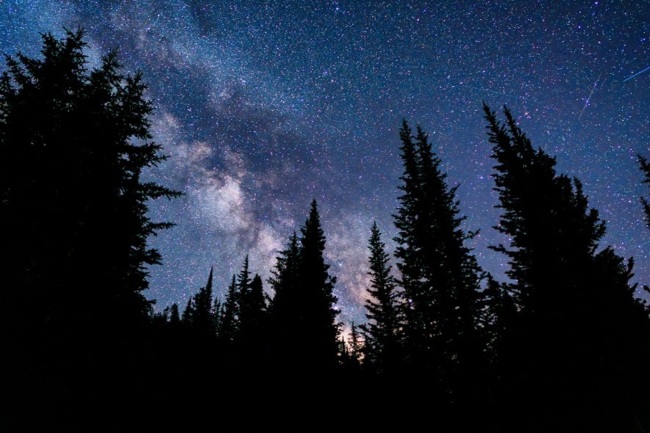
The week surrounding a new moon provides the darkest skies. Summer offers views of the Milky Way core, while winter provides crisp, clear air and distinct constellations.
What Gear Is Required?
Minimal equipment is needed. Bring a red-light flashlight to preserve night vision, warm layers for high-altitude temperature drops, and a star map or mobile app for identification.
Do I Need a Telescope?
No. Many constellations and the Milky Way are visible to the naked eye. Binoculars are sufficient for viewing lunar craters and star clusters.